
What Happens If Electrical Equipment Fails a Test and Tag on the Gold Coast?
August 19, 2026
When electrical equipment fails a test and tag inspection, it can create immediate safety risks for workers, customers and business operations. The result may identify damaged cords, faulty connections, insulation problems or other electrical defects that need to be addressed before the equipment is used again. ETCS understands that effective testing & tagging in Gold Coast workplaces involves more than applying a compliance tag; it also means taking prompt action when faults are identified.
Knowing what to do after a failed test helps businesses manage the issue quickly while reducing unnecessary disruption. The equipment should be removed from service, clearly identified and assessed to determine whether it can be safely repaired or needs to be replaced.
From repair and retesting to accurate recordkeeping, each step helps prevent failed equipment from being returned to use prematurely. A consistent process also helps businesses manage electrical risks and meet their workplace safety responsibilities.
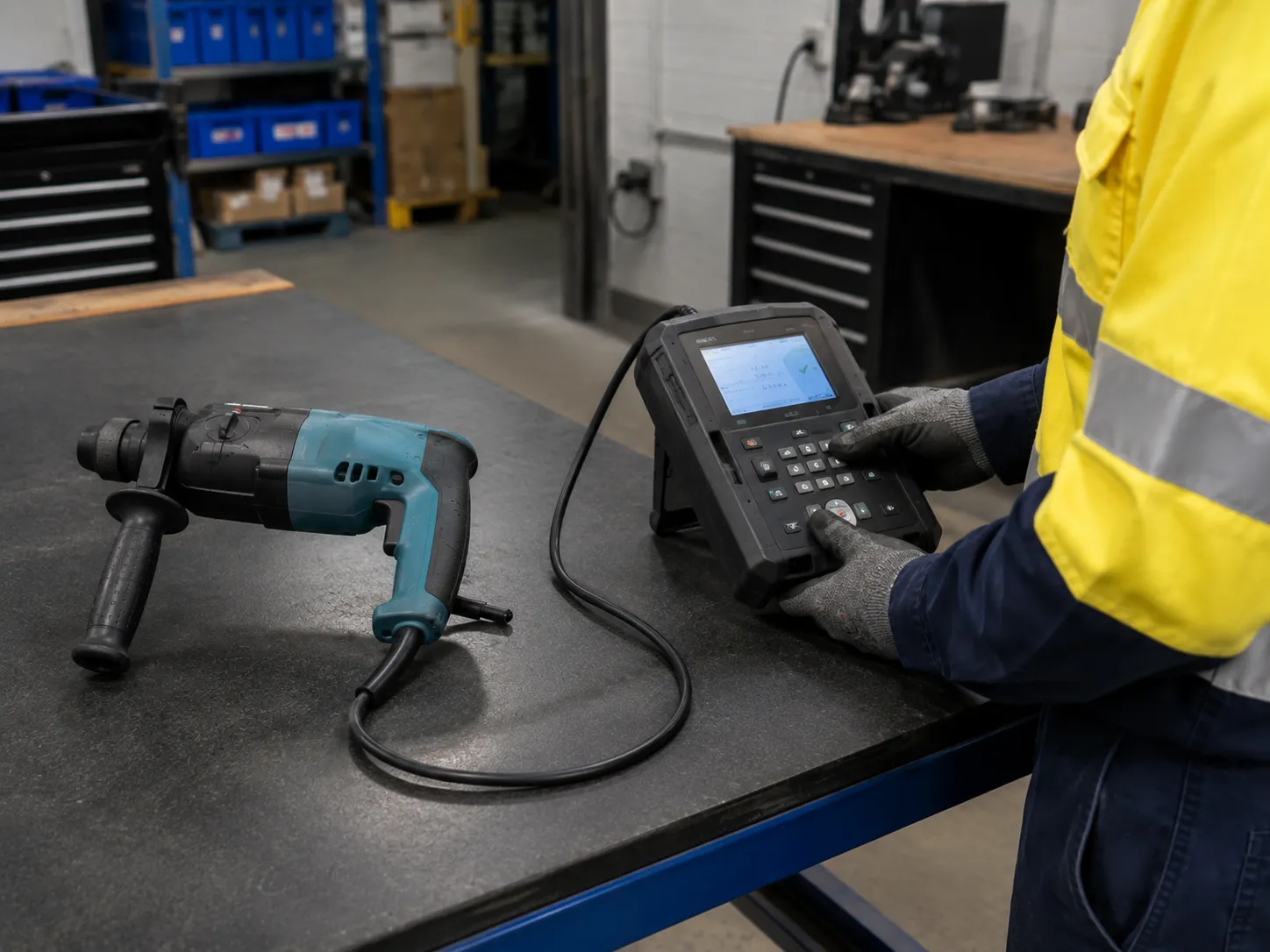
Testing and tagging combines visual inspection and electrical testing to identify equipment that could pose a risk of electric shock, fire or other electrical hazards. The process checks more than whether an appliance operates. It considers the condition of the equipment, flexible cord and plug, along with relevant electrical safety characteristics.
The process involves three stages:
Regular testing and tagging helps businesses identify electrical hazards before they contribute to an electric shock, fire or equipment-related incident. It also provides a structured way to manage unsafe equipment through repair, replacement and retesting.
Electrical equipment can fail testing for several reasons, from obvious physical damage to electrical faults that require specialised test equipment to identify. Common causes include:
Regular visual checks between formal testing can help identify damage early. If equipment becomes damaged or is suspected of being unsafe, it should be removed from service rather than waiting for its next scheduled test.
When electrical equipment fails testing and tagging, the priority is to prevent further use, document the failure and determine what should happen next.
Switch off and unplug the equipment where it is safe to do so. Hard-wired equipment or items presenting serious electrical hazards may require isolation by a licensed electrician.
The failed item should then be:
Equipment that fails inspection and testing should be immediately removed from service and clearly identified so that it cannot be used.
The failure should be entered into the workplace test and tag register or digital system. Useful information includes:
Keeping this information together creates a clear record of how the failed equipment was managed.
The equipment should then be assessed by an appropriately qualified person to determine whether the fault can be safely rectified.
If repair is practical, the equipment can be repaired and subsequently retested. If it is severely damaged, repeatedly fails, cannot be reliably restored or is uneconomical to repair, replacement may be the more appropriate option.
No. Failed electrical equipment should not be used temporarily simply because it still appears to operate. A failed result indicates that a defect or unsafe condition has been identified and the equipment should remain out of service until the issue has been appropriately addressed.
If the equipment is essential to operations, businesses should use a safe alternative rather than continue using the failed item. Options could be using another compliant piece of equipment, hiring a replacement, using a suitable spare asset or arranging prompt repair or assessment.
A failed item should only return to normal workplace use after the identified issue has been appropriately rectified and the equipment has passed the required retesting.
The process is straightforward:
If it fails again, it should remain out of service until the issue is resolved or the equipment is replaced.
Whether failed equipment should be repaired or replaced depends on the nature of the fault, the condition and age of the equipment, repair costs and whether it can be safely restored.
Repair may be suitable when the fault is straightforward and the equipment can be safely restored to its intended condition. Here are some examples:
Electrical work should be carried out by a person with the appropriate qualifications and authorisation for the task. After repair, the equipment needs to undergo the required testing before returning to service.
Replacement may be more appropriate where the equipment has extensive damage, repeatedly fails or cannot be reliably restored. Factors that may support replacement include:
If repair is disproportionately expensive or cannot provide confidence in the equipment's ongoing safety, replacement with a suitable alternative may be the more practical choice.
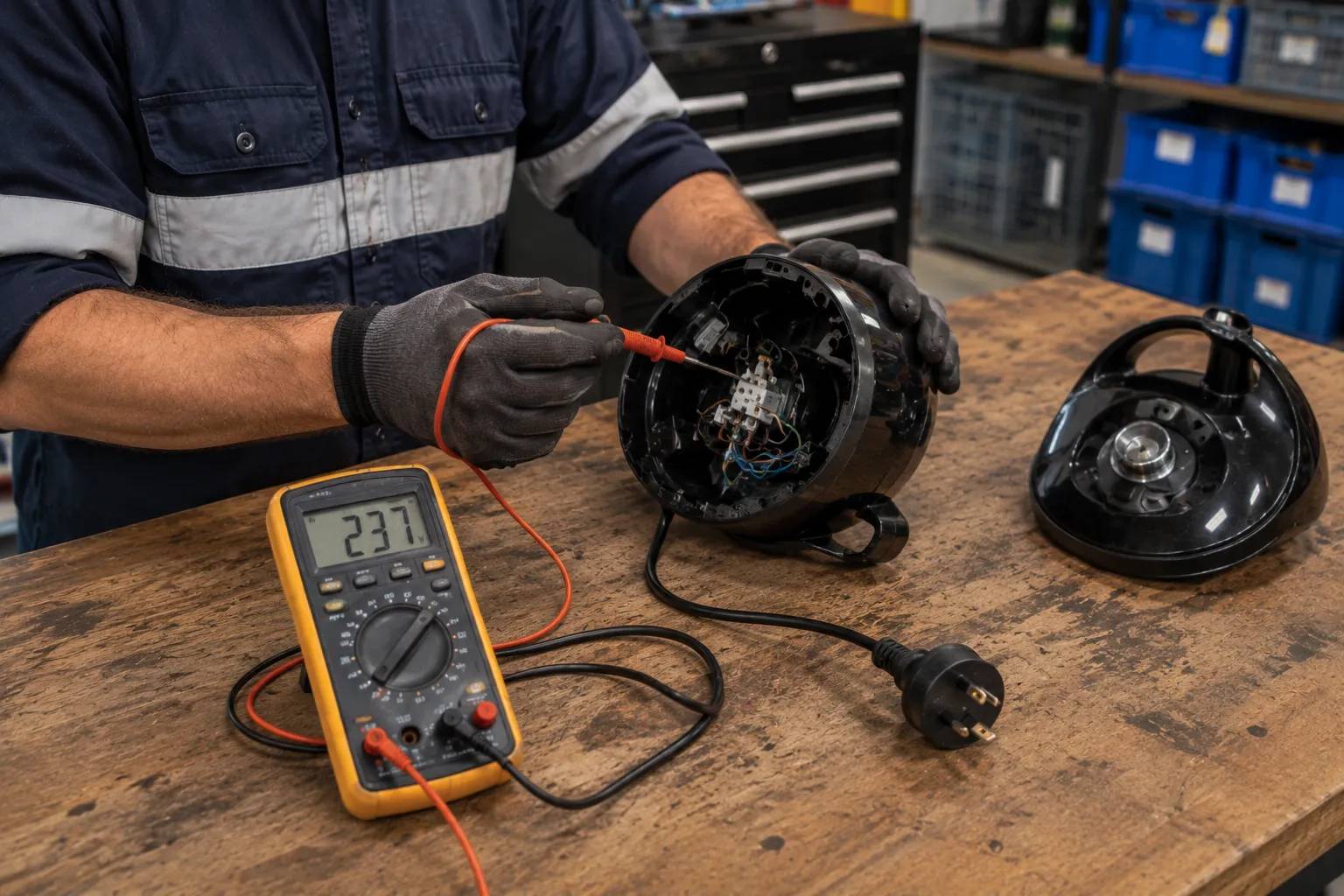
The appropriate person to assess or repair failed equipment depends on the type of fault and work required.
Businesses should not allow unqualified workers to open equipment, repair electrical wiring, bypass safety devices or make improvised repairs. Once the fault has been addressed, the equipment should be appropriately retested.
If it cannot be safely or economically repaired, it should remain out of service and be replaced or appropriately decommissioned.
Equipment that has failed testing should remain out of service until the identified fault has been addressed and the equipment has passed the required retesting. Retesting confirms that the repair has resolved the issue and that the equipment is suitable for return to workplace use.
Retesting should take place after the equipment has been fully repaired and restored to its normal operating condition. Depending on the equipment, this can include:
The equipment should be tested in the condition in which it will actually be used, with its covers, guards, cords, plugs and relevant safety components correctly fitted.
If the equipment passes the required checks, the result should be recorded and a new test tag applied where applicable. The record should include the new test details and relevant repair information, while the previous failure should remain traceable in the equipment's history.
If the equipment fails again, it should remain out of service until the issue is resolved or the item is replaced.
When electrical equipment fails a test and tag, the result should be recorded and tracked until the item is repaired, replaced or disposed of. Accurate records provide a history of the equipment and help demonstrate that identified electrical hazards have been appropriately managed.
A test and tag register or digital record should include:
Digital test and tag systems can also make it easier to maintain equipment histories, track test results and manage follow-up testing across larger asset registers.
The physical tag should correspond with the information recorded in the test register. Once the fault has been addressed, the records should be updated with the repair, disposal or retest outcome. Over time, these records can also reveal recurring issues like repeated cord damage in a particular area, allowing businesses to improve equipment handling, storage and maintenance practices.
The frequency of testing depends on the type of equipment, work being performed and conditions in which the equipment is used. In Queensland, there is not one testing interval that applies to every workplace or electrical item. Applicable requirements and guidance should be considered for the specific equipment and workplace.
Maximum intervals for certain specified equipment can vary across work environments, including:
These intervals should not be treated as a reason to continue using equipment that has become damaged or unsafe. Workplaces involving heavy use, moisture, chemicals, heat or frequent movement may also require a more risk-based approach to inspection and testing.
When electrical equipment fails a test and tag inspection, prompt action is essential to protect workers, customers and business operations. The item should be removed from service, clearly identified and assessed before a decision is made to repair, replace or dispose of it.
Appropriate repair, retesting and accurate recordkeeping help prevent failed equipment from being returned to use prematurely. ETCS can assist businesses with the testing and management of electrical equipment, helping identify faults, maintain clear records and ensure equipment is appropriately assessed before returning to service.

.svg)
.svg)


