
How Often Do You Need Testing and Tagging in Queensland?
January 20, 2026
Many workplaces on the Gold Coast operate with a mix of equipment types, varied work areas, and different levels of day-to-day wear that can change depending on the job. This is exactly why testing and tagging in the Gold Coast can feel confusing for business owners and site managers, especially when the goal is to stay compliant without overspending or putting unnecessary downtime into the schedule. When tools are shared across teams, moved between locations, or exposed to dust, moisture, heat, vibration, or impact, faults can develop faster and inspection intervals often need to be tighter than they would in a low-risk indoor environment.
At Electrical Testing & Compliance Service (ETCS), we support organisations by helping them manage risk around portable electrical tools and appliances without making the process stressful or drawn out. The right approach is rarely the same for every workplace, because not every environment places the same pressure on equipment. Once you understand what drives wear and risk, it becomes much easier to set practical inspection timeframes that suit your actual conditions rather than relying on generic assumptions. In this article, you’ll learn what affects testing and tagging frequency in Queensland, common inspection intervals across different workplace types, and how simple systems like clear tagging and record keeping help keep compliance on track.

Workplaces rarely share the same operational environment, which means risk levels vary even when similar tools are used. Some tools live outdoors in harsh conditions, while others stay inside clean offices where the chance of mechanical or environmental stress is low. The more exposure or wear and handling pressure equipment experiences, the shorter the inspection window becomes to keep it in safe working shape. Understanding these conditions makes it easier for businesses to match inspection frequencies to real-world conditions with confidence.
Different work environments naturally carry different levels of risk because of layout and power use, or surface conditions and the type of tasks being performed. Outdoor and industrial work areas tend to expose equipment to a mix of vibration and impact or weather and rough handling, whereas indoor office spaces usually keep equipment clean and stable. The higher the exposure, the faster wear sets in. This increases the need for regular inspection to keep control measures strong.
Higher-risk environments benefit from tighter inspection schedules, while low-risk environments can rely on longer inspection windows without compromising safety.
Tools handled every day wear out much faster than appliances that sit mostly unused. Frequent movement of power leads and tool returns, or vehicle transport and shared tool stations influence how quickly faults can develop. Understanding how often tools are used helps businesses set realistic intervals that reflect the actual mechanical stress placed on equipment.
Frequent use shortens inspection timeframes, while occasional use allows for longer cycles without raising unnecessary risk.
Environmental exposure plays a major role because certain contaminants degrade insulation and internal components faster than standard working conditions. Moisture and heat increase corrosion potential, while dust and grit can infiltrate vents and cooling systems. Any equipment exposed to these elements needs closer attention due to elevated fault potential.
Environmental exposure speeds up deterioration, which means inspection intervals tighten to keep risk firmly under control.
Different industries operate under different risk expectations because of how and where equipment is used. Tradies work across exposed sites, while warehouses handle heavy loads and vehicle traffic. Office environments sit at the lower end of risk due to clean indoor spaces and limited handling of electrical appliances. Matching these realities to reasonable inspection frequencies avoids both under-compliance and unnecessary overservicing.
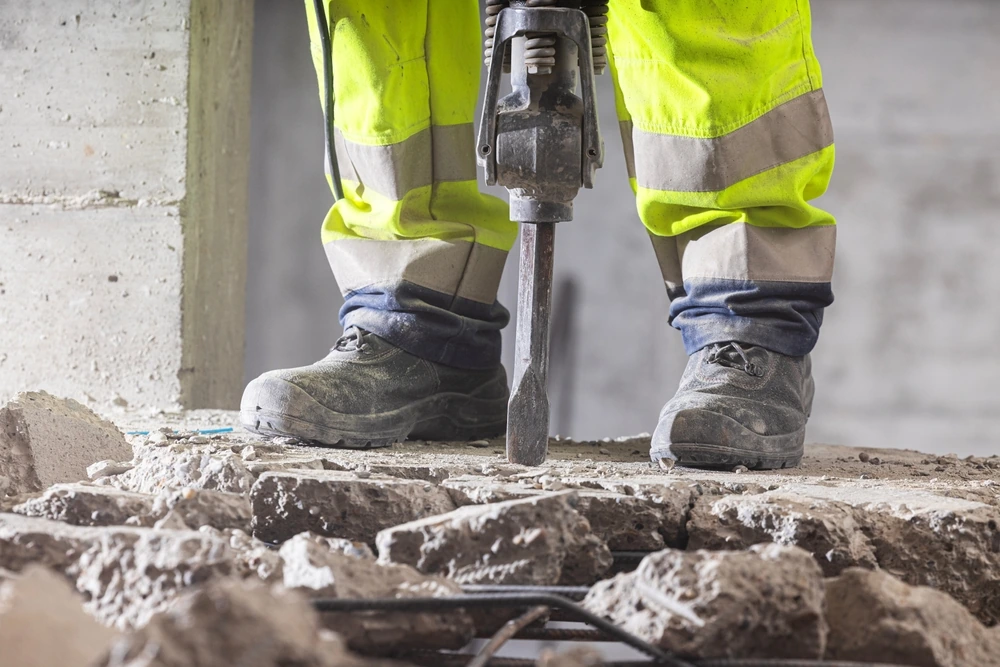
Construction and field-based trades rely heavily on portable tools that take consistent punishment from vibrations or dust impact and ongoing transport between job sites. These tools often work in close proximity to water or metal grinding, increasing environmental exposure. For these reasons inspection windows are shorter to manage the faster wear cycle.
Shorter intervals keep pace with harsh conditions and ensure equipment stays safe across rapidly changing work sites.
Warehouses and industrial environments feature heavy machinery and variable temperatures. While less chaotic than construction, they still expose tools and appliances to dust and heat, or vibration and shared use. Inspection intervals remain moderate but still tighter than standard indoor environments due to elevated environmental stress.
Moderate intervals help manage industrial stressors without contributing to unnecessary downtime.
Indoor administrative environments carry the lowest levels of physical and environmental stress because appliances usually stay in fixed positions. Equipment typically includes computers and phone chargers, or monitors and printers that face minimal handling or transit exposure. These conditions support longer inspection cycles without compromising safety.
Longer intervals remain viable due to consistently clean and stable working conditions.
Keeping up with inspection requirements does not need to involve guesswork or complicated paperwork. Most businesses benefit from a consistent cycle that tracks equipment due dates and risk factors without interrupting daily operations. Keeping documentation clear leaves little room for confusion and helps staff understand responsibilities without extra training or meetings. A straightforward system also ensures nothing slips past due dates and audits remain stress-free.
A broad range of portable electrical equipment is expected to be inspected due to the nature of how faults develop through handling and use. Any appliance with a flexible cable or plug that connects to a power outlet presents a level of risk under mechanical or thermal stress. Including all relevant items keeps compliance tight and prevents gaps.
Including all relevant appliances closes loopholes and keeps workplaces aligned with expected safety practices.
Keeping tags up to date is the simplest way to maintain visibility over compliance status. Tag labels provide immediate information about test dates and equipment identification without searching through paperwork. Consistent labelling keeps staff aware of the status so expired items do not make their way into daily use.
Clear tagging supports quick decision-making and ensures overdue items are removed promptly.
Record keeping ties the whole compliance process together by providing documentation for insurance enquiries and internal safety controls. Good records allow businesses to plan inspection windows in advance and track problem equipment across its lifespan. Digital records make this easier than ever and reduce administrative delays.
Good record systems shorten audits and keep compliance consistent across changing workloads.
Setting the right inspection interval depends on real-world operating conditions rather than generic one-size-fits-all rules. High-exposure environments demand faster turnaround, while low-exposure environments make room for longer cycles without compromising safety. Businesses that keep visible tagging dates and equipment logs stay in control and avoid unnecessary risk or surprise downtime.
A structured approach builds confidence among workers and supervisors because everyone understands that equipment in circulation has been assessed and confirmed safe for ongoing use. Clear processes keep insurance and regulatory bodies satisfied and reduce the chance of conflict during incident reviews or workplace assessments. Getting on top of inspection intervals early ensures compliance and healthier equipment over its working life.

.svg)
.svg)


