
The Hidden Risks of Not Testing and Tagging Your Equipment
December 16, 2025
Electrical equipment is part of everyday business operations, whether you run an office, workshop, warehouse, construction site or hospitality venue. Because these tools and appliances are so familiar, electrical faults can develop unnoticed through daily use and wear. Regular testing and tagging in Canberra is one of the most effective ways to identify these risks early and prevent incidents before they disrupt people, property or operations. At ETCS, we regularly see how businesses underestimate these risks until a preventable issue leads to injury, downtime or regulatory exposure. Below, we break down the most common hidden hazards and explain why proactive electrical safety management is essential.
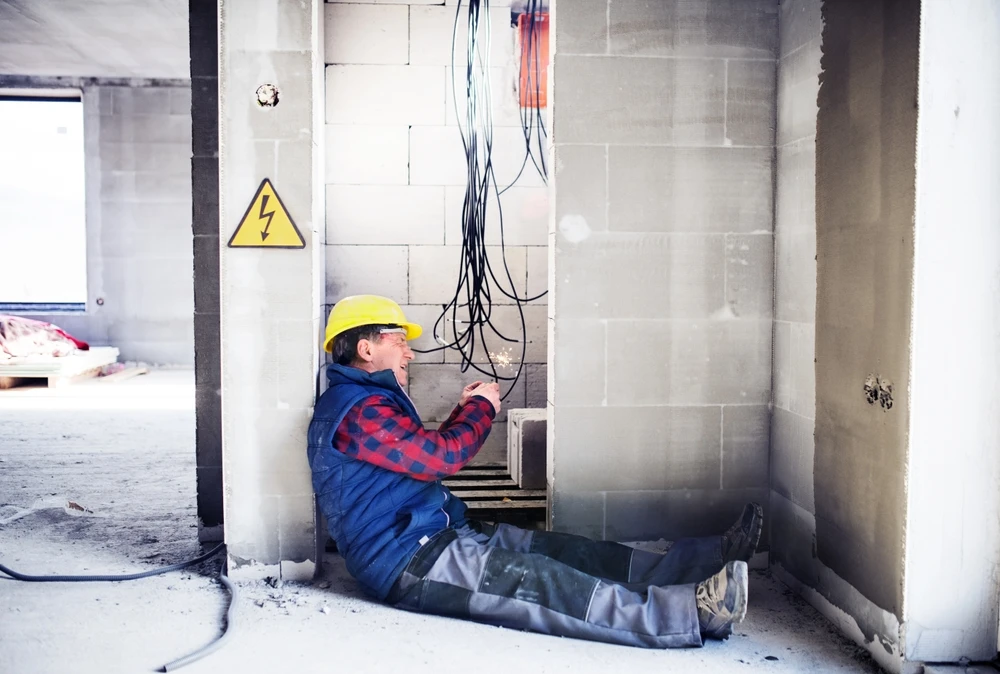
Many electrical hazards don’t appear suddenly. They develop gradually through daily use, environmental exposure and minor wear that often goes unnoticed in busy workplaces. Because equipment may still appear functional, these risks are frequently ignored until an incident occurs. Understanding where these hazards come from is the first step towards preventing them.
Electrical leads and plugs experience constant handling, bending and movement, making them some of the most failure-prone components in any workplace. Over time, internal wiring can deteriorate even if external damage seems minor. Ageing equipment may also fall behind current safety standards without obvious signs of failure. Common issues businesses overlook include:
Certain workplaces pose higher electrical risks due to moisture, dust, vibration and heavy use. In these environments, visual checks alone are rarely enough to identify underlying faults. Testing and tagging provide a reliable way to ensure equipment remains safe under demanding conditions. High-risk environments include:
Portable equipment often travels between job sites, rooms or departments, increasing the chance of damage and misuse. Because responsibility is shared, faults may go unreported or unnoticed altogether. Routine testing helps track the condition of these frequently moved items and ensures accountability across teams. Here are some examples:
Many unintentionally fall short because they assume compliance only becomes relevant after an accident occurs or a regulator becomes involved. In reality, WHS obligations apply continuously, regardless of whether an incident has happened. When electrical safety systems such as testing and tagging are overlooked, businesses can find themselves exposed to penalties, insurance complications and legal scrutiny that could have been easily avoided with preventative action.
Electrical safety is not simply a recommended workplace practice; it is a legal obligation under Work Health and Safety (WHS) laws. Businesses are required to take proactive steps to eliminate or minimise electrical risks through ongoing inspection, testing and maintenance of equipment. These obligations apply continuously, not only after an incident or inspection, and form a core part of demonstrating active duty of care. Compliance expectations vary depending on:
When an electrical incident occurs, the focus quickly shifts from what happened to what preventative measures were in place beforehand. Regulators and insurers routinely assess whether a business took reasonable steps to prevent the incident, and records are often one of the first items requested. Without documented evidence, businesses may struggle to prove compliance, even if safety was generally prioritised. Potential consequences:
Electrical safety responsibilities do not stop at the operational level. Business owners, directors and managers can be held personally accountable if systems are not in place to manage known risks. Even when an incident involves a single piece of faulty equipment, investigators often assess whether leadership took reasonable steps to ensure compliance across the workplace. This service helps protect not only your staff but also your reputation, leadership position and personal liability by demonstrating that electrical safety is actively managed at all levels of the business.

At first glance, delaying testing and tagging can seem like a simple way to reduce overheads, especially for busy or cost-conscious businesses. However, electrical safety is one area where short-term savings almost always lead to long-term expense. Electrical faults rarely announce themselves in advance, and when equipment fails, the impact is often immediate and disruptive. What begins as a small, undetected issue can quickly escalate into lost productivity, emergency repairs or safety incidents that cost far more than preventative testing ever would.
In many workplaces, electrical equipment is critical to daily output, meaning even a single failure can disrupt workflows, delay projects and frustrate customers. Because these failures often occur during peak operating hours, the resulting downtime is both costly and stressful. Operational disruptions may lead to:
When electrical faults are left unchecked, damage is rarely contained to a single component. A minor internal fault can render an entire appliance unsafe, forcing businesses to replace equipment prematurely. In contrast, preventative testing often identifies issues early, when simple repairs or adjustments are still possible. In most cases, the cost of routine testing and tagging is minimal when compared to the expense of replacing equipment or repairing damage caused by electrical failure. Preventative testing helps avoid:
Electrical incidents that involve staff carry some of the most significant and long-lasting costs for a business. Beyond immediate medical treatment, workplace injuries can lead to extended absences, compensation claims and increased scrutiny from insurers and regulators. These indirect costs often outweigh the initial incident itself. Be aware of these indirect costs:
Preventing electrical incidents relies on consistency, accountability and clear processes. Many serious failures occur not because safety was ignored, but because preventative systems were informal, irregular or undocumented. A structured approach to electrical safety reduces risk, supports compliance and prevents avoidable disruption.
A structured test and tag schedule ensures that electrical safety is managed systematically rather than reactively. Without a clear schedule, equipment can be overlooked, testing can fall behind and risks can quietly accumulate. The frequency of testing should be based on how equipment is used, where it operates and the level of exposure to potential hazards, rather than relying on a one-size-fits-all approach. Best practices include:
Testing alone is not enough if it isn’t properly documented. Accurate records provide tangible proof that your business has taken reasonable steps to manage electrical risk. In the event of an audit, inspection or insurance review, clear documentation can significantly reduce stress, delays and potential disputes. Well-maintained records protect your business by demonstrating compliance and providing a clear safety history if questions arise from regulators or insurers. Effective record-keeping should include:
Employees are often the first line of defence when it comes to identifying electrical hazards. They use equipment daily and are most likely to notice changes in performance, damage or unusual behaviour. Training staff to recognise and report issues early helps prevent small faults from escalating into serious incidents. When they are actively involved in safety processes, risks are identified sooner, responses are faster and the overall safety culture of the business is strengthened. Staff should be trained to:
Regular test and tag programmes protect your people, maintain operational continuity and demonstrate responsible business management. When electrical safety is managed proactively, risks are reduced, audits are simpler and unexpected disruptions are far less likely. If your testing has fallen behind or you’re unsure whether your current setup meets compliance requirements, now is the time to act. Contact us here at ETCS today to arrange professional services that protect your staff, assets and business.

.svg)
.svg)


