
What Childcare Centres in Tasmania Must Test and Tag (Complete Equipment List)
December 15, 2025
Running a childcare service in Tasmania comes with many responsibilities, and one of the biggest is keeping every child safe by making sure all electrical items are properly maintained. Our team at ETCS pays close attention to how different centres operate because each one has its own combination of equipment that needs proper care to stay safe for everyday use. A centre’s electrical items are used daily by workers who need dependable tools and by little ones who must play and learn in a safe environment. When every item is checked by regular testing and tagging in Tasmania, it reduces risks and allows the whole childcare team to work with confidence.
Families trust childcare providers to create a space where children can move freely without being exposed to hidden hazards, and that trust relies heavily on strong safety routines. Test and tag work forms one of the most important layers of protection because it focuses on items that are part of daily routines, from early morning bottle prep through busy learning hours to cleaning at the end of the day. When safety checks are missed, small faults can develop into much bigger issues that interrupt operations. By knowing what needs attention and when to handle it, centres can create a reliable system that supports a safer and more organised workplace.
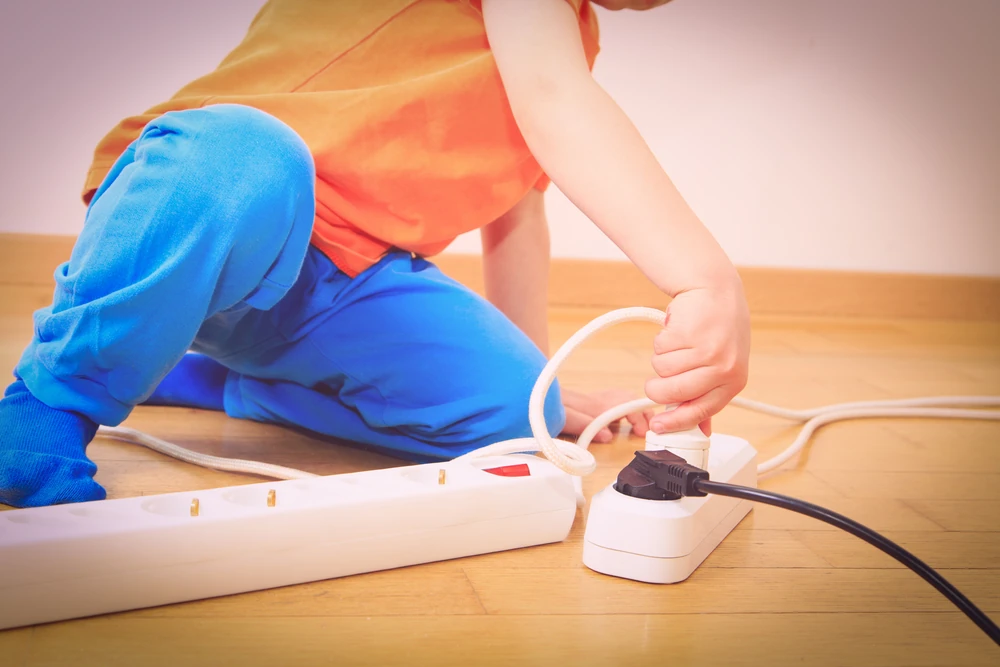
Childcare services handle a wide range of electrical items each day, which means safety rules need to be clear and practical. These services rely on a mix of equipment for learning or cleaning, and meal prep or general operations. Understanding which rules apply helps prevent confusion. Centres must work within set standards that ensure all items are inspected on time so potential risks can be spotted early. Strong routines make it easier for staff to keep the environment safe while also meeting industry expectations.
Childcare centres must meet strict safety rules from the World Health Summit (WHS) that outline how electrical items should be inspected and maintained. These rules aim to support safe working environments for staff while also protecting children who may be around equipment throughout the day. Staying compliant builds trust with families and ensures staff can focus on their work without worrying about unexpected equipment issues.
Childcare settings are busy places where electrical items are used often and sometimes handled by many staff members throughout the day. Regular checks help identify wear and tear that can develop quickly due to constant use and frequent movement of portable items. By investing time in routine inspections, centres avoid interruptions that could affect learning schedules or daily programmes.
Childcare environments often involve multiple rooms and shared areas where equipment moves around based on daily needs. This creates a situation where electrical items are not always used in one place, which increases the need for consistent checks. Proper management helps staff maintain awareness of equipment condition even when items are constantly being relocated.

Childcare services use many electrical items that support learning activities or daily routines and general workplace tasks, so it is important to know which ones require regular checks. These items range from simple tools in classrooms to essential appliances in kitchens and cleaning areas, which means every part of the centre plays a role in maintaining safe equipment. Understanding what needs attention helps create inspection plans that fit naturally into everyday schedules. This approach makes it easier for staff to stay organised while keeping the environment safe.
Classrooms and office spaces rely on equipment that supports learning or administration and communication, which makes regular checks vital for smooth operations. Many of these items are plugged in throughout the day and handled by different people, so they experience more wear than expected. By keeping these items in good condition, staff can work more efficiently while children benefit from a stable learning environment.
Kitchen areas support essential daily routines, so the equipment used there must always be reliable. These appliances often heat up or draw high electrical loads, making them more susceptible to faults if not maintained well. When these items are tested regularly, staff can prepare meals and bottles with confidence knowing the equipment is operating safely.
Cleaning equipment works hard every day keeping the centre hygienic and healthy, making routine inspections essential. These items are moved around often and dragged across floors or used on different surfaces, increasing pressure on cords and moving parts. Keeping this equipment well maintained helps prevent downtime during essential cleaning tasks.

Some of the most commonly overlooked items in childcare centres are portable tools that move between rooms or outdoor spaces. These items can wear out faster because they experience more handling and sometimes rougher conditions. By identifying these items early, staff can prioritise them in safety plans before issues appear. This approach helps keep the entire centre safer and more prepared for daily operations.
Portable power solutions are used in many areas across childcare centres, especially when activities require flexible setups. These items are easily damaged because they bend or twist and stretch under normal use. Regular checks help prevent hazards that may develop unnoticed.
Equipment designed for flexible use needs extra attention because it travels through different environments. Outdoor use or movement across rooms exposes items to more strain than stationary equipment. Keeping these tools checked ensures they operate safely no matter where they are used.
Busy childcare days mean some items are used far more than others, which increases wear and creates a higher risk of faults. Understanding which items experience heavy use helps staff prioritise inspections. This approach ensures that high-demand tools stay reliable.
Childcare services rely on many electrical items every day, and maintaining them well is one of the strongest ways to reduce risks while keeping staff and children safe. When centres understand which items need regular checks, it becomes much easier to create routines that fit naturally into daily operations. A focused approach to safety helps prevent disruptions and supports a healthier learning environment.
ETCS works closely with childcare teams to make sure every essential item receives the right level of attention, from heavily used classroom tools to portable equipment that moves across different rooms. Strong inspection habits help create a safer workplace and give families confidence that their children are cared for in an environment supported by reliable equipment and committed staff.

.svg)
.svg)


