
Salt Air Can Damage Workplace Equipment Before It Stops Working
November 12, 2026
An appliance does not have to sit besides the beach to encounter salt air. In Gold Coast workplaces, open shopfronts, outdoor trading areas and equipment moved between indoor and outdoor spaces can expose electrical appliances to airborne salt and moisture. Eventually, these conditions can contribute to corrosion, even when equipment continues to operate normally. ETCS helps address workplace electrical safety through professional testing and tagging, considering equipment condition and environmental exposure.
If you are comparing local testing providers, understand what coastal exposure means for your workplace. This article explains how salt reaches portable equipment, which visible changes warrant professional assessment and how placement and storage can reduce exposure. It also explores why normal operation or a current test tag cannot establish that corrosion is harmless.
Being indoors reduces some environmental exposure, but it does not create a sealed barrier against coastal conditions. Airborne salt can enter through openings and settle on equipment, particularly where outdoor air moves through a workplace throughout the day.
The amount of exposure varies considerably. Distance from the water, prevailing weather, the layout of your premises and how equipment is used all matter. A coastal address alone does not mean every appliance has hidden damage.
A retail shop with its front doors open for most of the day has a different exposure pattern from an enclosed commercial office. Portable fans, floor-cleaning equipment and appliances positioned near the entrance may encounter more airborne deposits than equipment stored further inside.
Outdoor work areas introduce other variables. Equipment used near an exposed doorway or in a sheltered outdoor area may avoid direct rain while still encountering windborne salt and damp air. Shelter from rainfall is not necessarily protection from coastal exposure. Safe Work Australia’s guidance on electrical risks in harsh environments explains why outdoor and wet conditions require particular attention when assessing equipment safety.
Salt deposits can retain moisture on surfaces. When moisture dissolves deposited salts, it can increase the electrical conductivity of the resulting residue and contribute to corrosion of susceptible metal components. The rate and extent depend on the materials, protective finishes and conditions around the equipment. Occasional exposure is not equivalent to repeated exposure in a damp, salt-laden location.
The useful question is not simply whether an appliance is indoors. It is whether its actual position and daily use expose it to salt deposits, moisture or both. These details give a testing professional better context than a general description of the premises.
Portable equipment can carry its exposure history with it. A floor-cleaning machine used near an open shopfront may later be stored in an enclosed cupboard. Moving it indoors does not establish that earlier salt deposits or moisture exposure have had no effect.
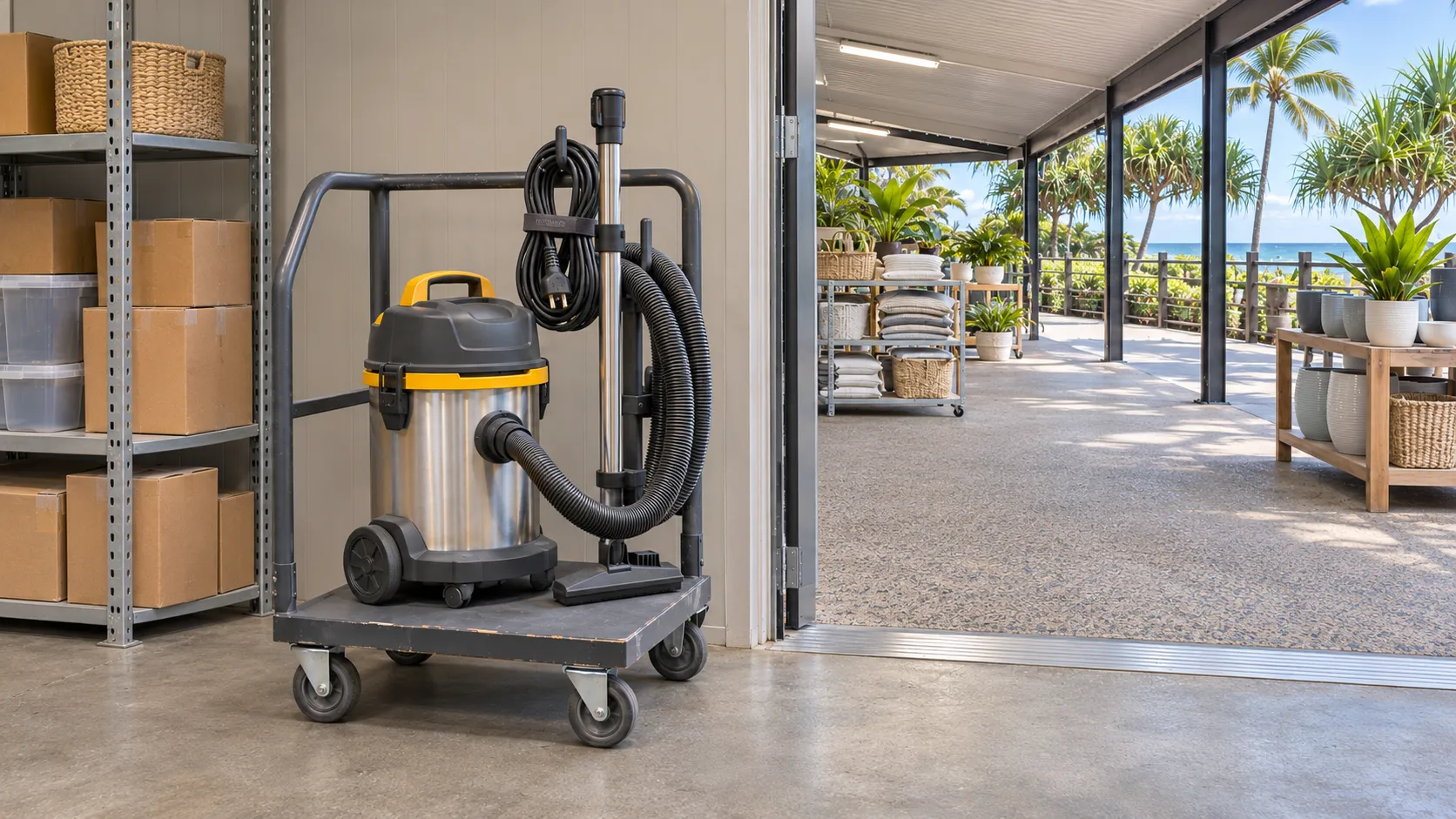
Shared equipment can be difficult to track. One employee may use a portable fan in a sheltered outdoor work area, while another assumes it has always remained indoors. Storage location alone may therefore give an incomplete picture of how an item is used.
When arranging an assessment, describe where equipment normally operates, where it is stored and whether its use changes with the weather. Include portable items that move around the premises rather than considering only appliances in fixed positions. A review of equipment often overlooked during testing can identify items that might otherwise be missed.
Photographs of normal equipment locations can also help explain exposure patterns to a provider. There is no need to move or handle suspect equipment to document a concern. A description of the location, visible condition and recent exposure is a useful starting point.
Equipment that starts normally can still be deteriorating. Its ability to perform its usual task does not establish the condition of every electrical connection, protective component or enclosure.
Salt and moisture can affect exposed metal surfaces and, depending on the equipment's construction and condition, contribute to deterioration around electrical components. Corrosion may compromise protective finishes or affect connections, making professional assessment important even when there is no immediate operating problem.
A test tag records an earlier assessment, not continuous monitoring of everything that happens afterwards. If equipment experiences moisture exposure, physical damage or a change in operating conditions after testing, its current condition must be considered separately.
Rust, discolouration, pitting or unusual deposits around plugs and accessible external metal fittings can indicate deterioration. Cracked housings, loose external fittings and damage near a cord entry are also reasons to raise a concern, even when corrosion is not obvious.
Appearance alone cannot reliably distinguish a superficial mark from deterioration that affects safe use. Different materials corrode differently, and some deposits may have another cause. You do not need to diagnose the material or identify the precise fault before referring an item for assessment.
If you notice a concerning change, stop using the equipment and follow your workplace process for keeping it out of use pending assessment. Do not repeatedly operate it to check if the problem persists. Where touching or disconnecting an item could be unsafe, keep people away and seek assistance from a licensed electrician. WorkSafe Queensland’s guidance on keeping workplace electrical equipment in a safe condition includes removing defective equipment from use and protecting leads from damage.
Do not open the housing, scrape deposits from electrical contacts or attempt to repair corroded parts. These actions can create additional hazards and may obscure evidence that helps a professional assess the equipment. An assessment should determine what further action is appropriate, including whether licensed electrical repair is needed.
An external inspection provides useful information, but it cannot reveal every internal condition. Equally, the absence of visible rust is not evidence that internal damage exists. The appropriate response is a proportionate professional assessment based on the equipment, its condition and its exposure history.
Electrical testing also has a defined scope. Results need to be considered alongside inspection findings, the equipment's intended use and any known exposure since its previous assessment. A passing result should not be treated as permission to ignore visible deterioration or continue using an appliance in an unsuitable environment.
A current tag can be misleading if equipment has experienced moisture exposure or physical damage since its last assessment. The date on the tag does not account for a recent incident. Understanding the risks of relying on unassessed equipment helps keep attention on the present condition rather than paperwork alone.
When comparing providers, ask how they handle visible corrosion and findings that require investigation beyond routine testing. A useful report should identify the affected item clearly, record relevant inspection or testing findings and explain the recommended next step. This distinguishes equipment awaiting further assessment from equipment that has been cleared for continued use.
Reducing coastal exposure starts with where equipment is used and stored, not with improvised alterations. Small operational changes may reduce contact with salt and moisture, provided they remain consistent with the manufacturer's instructions and do not introduce another hazard.
These measures cannot reverse existing deterioration or establish that suspect equipment is safe. Treat exposure reduction and professional condition assessment as separate tasks, particularly where portable equipment corrosion is already visible.
Store portable equipment in a dry location protected from salt spray and weather. Consider whether the storage area itself becomes damp or receives outdoor air directly. A cupboard besides an exposed entrance may offer less protection than its enclosed appearance suggests.
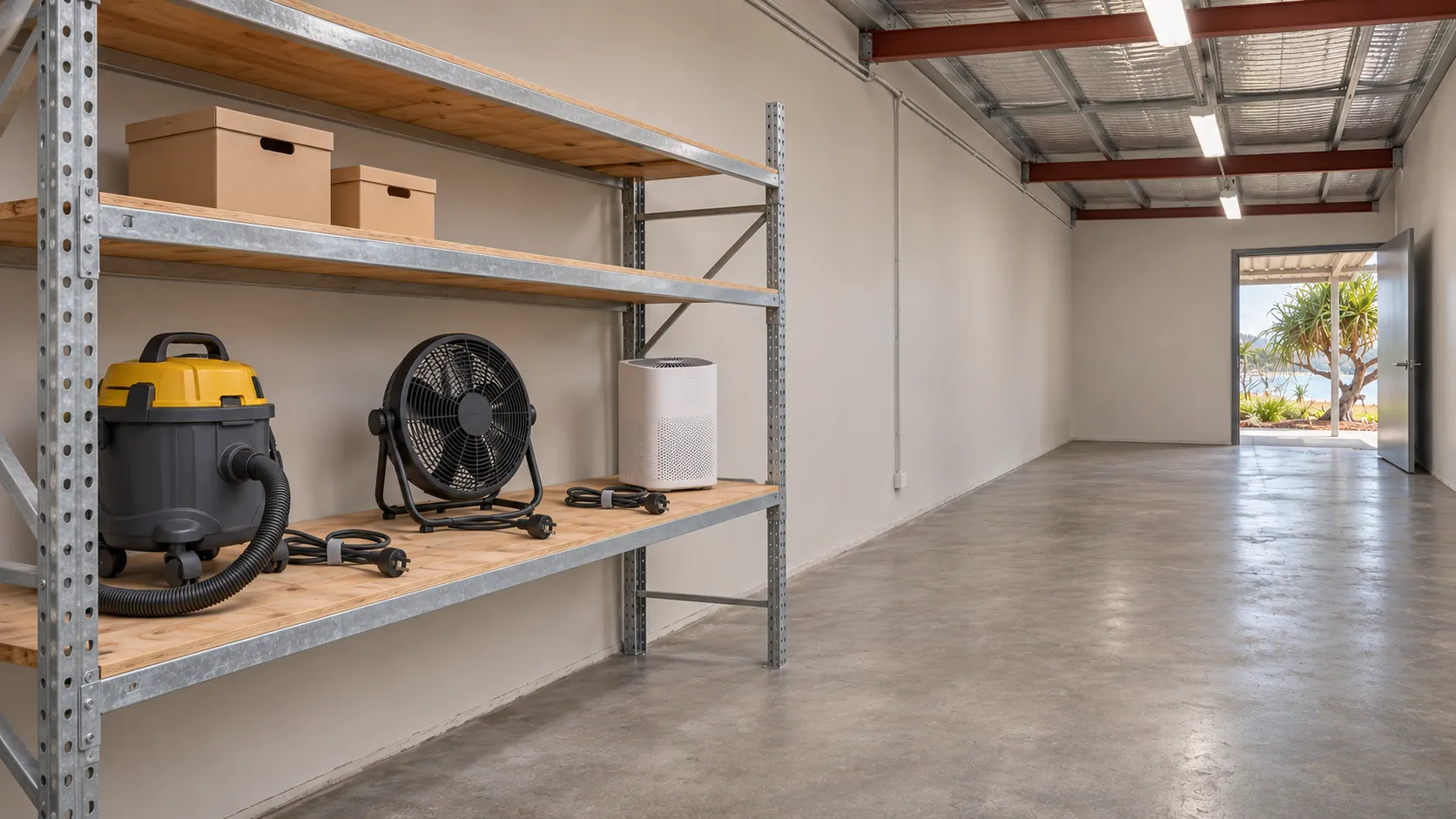
Where practical, position equipment away from openings that regularly admit wind-driven spray. Review its normal operating position as well as its storage location. Moving an appliance into dry storage overnight may offer limited benefit if it spends each working day in an unsuitable exposed area.
Maintain the ventilation and clearances specified by the manufacturer. Wrapping equipment, enclosing it in a makeshift box or placing a cover over it during operation can trap heat or moisture and interfere with safe use. An improvised cover does not make indoor equipment suitable for outdoor or coastal conditions.
Manufacturer guidance should also inform routine care. Do not assume that washing, spraying or applying a protective product is appropriate for an electrical appliance. If salt deposits are present, seek advice on suitable care rather than attempting to clean electrical connections or internal components.
Suitability depends on more than whether an appliance can physically operate in a location. Its construction, intended environment and exposure to moisture all need consideration. A testing professional can assess conditions within their scope and identify when advice or repair from a licensed electrician is required.
When comparing options for testing & tagging in Gold Coast, ask whether the provider considers actual operating conditions and records visible deterioration. Professionals can be approached with details of your equipment locations, observed changes and known exposure so the required assessment can be discussed.
Useful questions include whether an item should remain out of use pending further investigation, whether its location is suitable and what findings will appear in the equipment records. Ask how the provider distinguishes routine testing from work requiring a licensed electrician. Do not assume a testing appointment automatically includes corrosion repair.
Testing frequency should reflect the assessed conditions rather than follow a blanket rule for all coastal premises. Changed use or increased exposure may warrant a review, as discussed in situations that can call for more frequent testing. If you relocate equipment from an enclosed room to an open shopfront or outdoor work area, tell your provider rather than relying on the previous assessment context.
Managing salt air exposure involves more than keeping electrical equipment indoors. Its operating environment, storage conditions, visible condition and exposure history all contribute to determining if further assessment is needed. Regular workplace testing and tagging can identify issues, but suspected corrosion and damage still require attention between scheduled assessments. ETCS will help businesses assess their workplace testing requirements and keep equipment condition at the centre of their electrical safety practices.


