
When More Frequent Electrical Testing Is Needed in the Workplace
April 29, 2026
When electrical safety is assessed in the workplace, relying solely on standard test intervals can create a false sense of security. Specific environments, usage patterns and equipment demands may require more frequent testing to maintain safety, protect assets and support compliance. This is especially relevant to testing and tagging in Canberra, where workplace conditions can vary significantly between offices, construction sites, workshops, commercial kitchens and industrial environments.
ETCS explains when increased testing may be necessary, what can trigger a review of testing intervals and how standards, regulators and insurers approach these decisions.
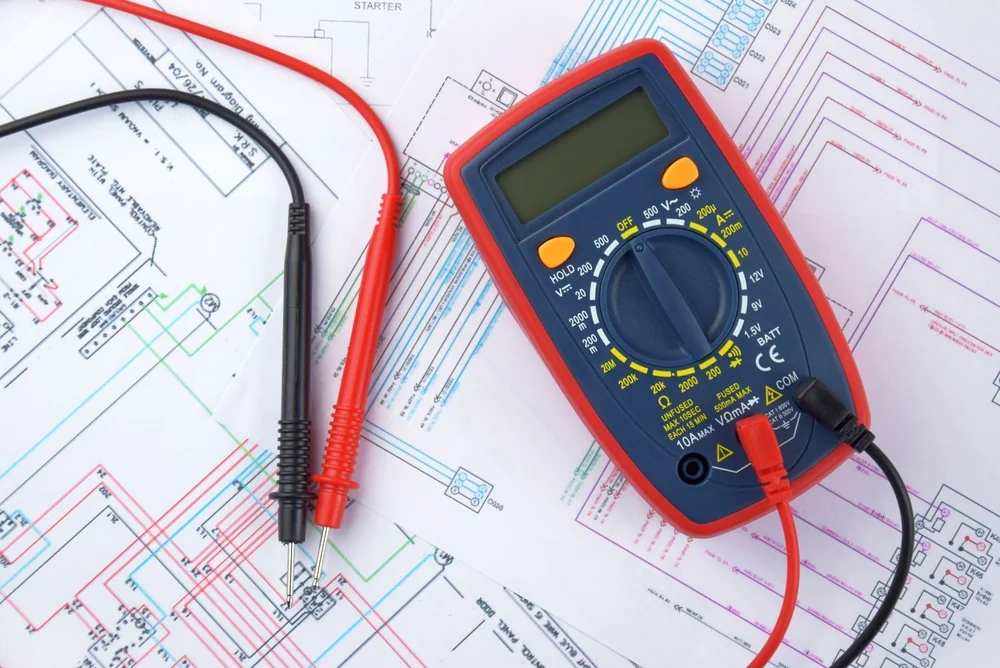
Electrical testing is not a one‑size‑fits‑all exercise. The safest testing interval for a workplace depends on how equipment is used, the environment it operates in and the level of risk created if something fails. Two businesses in the same industry can legitimately have different test frequencies if their conditions differ.
Understanding why intervals vary helps duty holders justify inspection schedules to regulators and insurers and avoid both unnecessary testing and unsafe gaps.
The harsher the environment, the shorter the interval usually needs to be. Electrical equipment deteriorates faster when exposed to factors that increase wear, damage or contamination. High-risk environments include:
In these settings, cables, plugs and enclosures are more likely to crack, corrode or lose insulation integrity. As a result, portable appliance testing and inspection of extension leads, RCDs and distribution boards are commonly required at much shorter intervals than in clean offices.
Different categories of equipment carry different levels of inherent risk. Fixed-wire machinery and portable tools used by many people demand closer attention than rarely used desktop devices.
Handheld or transportable equipment such as drills, floor polishers and vacuum cleaners is frequently dropped, dragged or crushed by furniture. Flexible leads suffer strain at plug tops and entry points. These items typically require more frequent inspection and testing than stationery IT equipment that remains in one place.
High current or safety-critical equipment, such as industrial plants, medical devices or equipment in escape routes, also justifies shorter intervals. A failure can have serious consequences such as fire, loss of essential services or injury to multiple people.
In contrast, low-power office equipment that is seldom moved often remains safe with less frequent formal testing, provided basic user checks and prompt removal of damaged items are in place.
Intervals also vary according to how effectively a workplace manages ongoing electrical safety. Where staff are trained to spot damage, report defects and remove unsafe items from service, the formal test interval can sometimes be longer because deterioration is more likely to be caught early.
In workplaces with high staff turnover, minimal supervision or a history of equipment misuse, tighter testing frequencies are usually appropriate. Regulators and insurers may also expect shorter intervals where there have been previous electrical incidents, enforcement action or claims.
Finally, the organisation’s risk appetite and legal duties influence the schedule. Some sectors, such as healthcare, education and construction, have stricter expectations in practice, pushing intervals towards the more frequent end of accepted guidance.
Some workplaces require more frequent electrical testing because the conditions on site increase the chance of damage, deterioration or misuse of equipment. Identifying these higher-risk environments is critical for deciding how often portable appliance testing and fixed installation testing should occur.
A workplace is typically considered higher risk when electrical equipment is more exposed to physical impact, moisture, heat, chemicals or is used in a way that is rough, continuous or difficult to supervise. The more severe these factors are, the shorter the test intervals usually need to be.
Environments that are wet, dusty, corrosive or very hot or cold accelerate wear on electrical equipment and insulation. This includes:
In these conditions, plug tops, sockets and flexible cords are more likely to crack, corrode or lose their protective insulation. Residual current devices can also be compromised by moisture or contamination. Increased testing helps identify damage before it leads to electric shock or fire.
The more equipment is moved, unplugged, transported or handled by different people, the higher the risk of undetected damage. Higher-risk patterns of use include:
Frequent flexing of cables can cause internal conductor breaks or expose live parts at terminations. Plugs can loosen, strain reliefs can fail and protective earth connections can degrade. In such workplaces, visual inspections alone are rarely sufficient, so shorter formal test intervals are typically required.
Some workplaces are higher risk not only because of the likelihood of damage but also because of the consequences if something fails. This could be the following:
In these settings, relatively minor electrical faults can have serious safety, financial or reputational impacts. More frequent testing provides an additional safeguard and supports legal and insurance obligations by showing that electrical risks are being actively controlled.
Certain workplace items are exposed to higher levels of wear, damage or misuse and therefore tend to need testing at shorter intervals than standard office equipment. Identifying these higher-risk items helps to focus resources where they have the greatest impact on safety and business continuity.
Frequent testing is usually driven by a combination of factors such as how portable the item is, how often it is moved, the environment it is used in and who uses it. The equipment types below often justify tighter inspection and test schedules.
Portable electrical tools and handheld appliances are at particular risk because they are regularly moved, unplugged and plugged in or used in harsh locations. Flexing of cables, impact damage and exposure to dust or moisture all increase the likelihood of faults between formal inspections.
Items that typically need more frequent testing include power drills, grinders, saws, sanders, heat guns, kettles, vacuum cleaners and portable fans. These are often used by multiple users, increasing the risk of rough handling or misuse. In many workplaces, these items are dropped, dragged across floors or stored in vehicles, which increases strain on cables, plugs and enclosures.
Regular formal testing combined with routine visual checks helps to identify damage to plugs, loose terminations, exposed conductors and failing insulation that would not be obvious during normal use until a serious fault occurs.
Any equipment used in demanding environments normally needs a shorter test cycle than identical equipment in a clean office. Higher-risk environments include sites with dust, moisture, vibration or mechanical damage, as well as areas where flammable vapours or materials may be present.
Common examples are extension leads and portable tools used on construction sites, plant rooms or workshops, along with appliances used in catering areas, commercial kitchens or food production. Cleaning equipment such as floor scrubbers and industrial vacuums is often exposed to water, cleaning chemicals and frequent cable movement, deteriorating insulation and seals more quickly.
In such environments, minor deterioration can quickly become a shock, burn or fire hazard. More frequent testing helps confirm that protective earthing, insulation resistance and residual current device protection remain effective despite the tougher conditions.
Extension leads and power boards experience continual plugging and unplugging and are frequently routed through doorways or under desks, which can crush or abrade the cable. They are also prone to overloading when multiple high-current appliances are connected.
Because the failure of a single lead or board can affect multiple appliances, these items often justify more frequent testing than the equipment they supply. Testing should focus on continuity of earth conductors, polarity, insulation resistance and the condition of sockets, plugs and strain reliefs.
Where extension leads are used as semi-permanent wiring or in high-traffic areas such as workshops, warehouses or temporary events, more frequent inspection and testing is often critical to prevent overheating, arcing and damage that could otherwise go unnoticed.
Testing schedules that look sensible on paper often fail in practice because they are based on assumptions rather than actual workplace risk. Several recurring mistakes lead to either too little testing, which increases the likelihood of electric shock or fire, or too much testing, which wastes time and budget without improving safety.
Recognising these pitfalls makes it easier to design a schedule that keeps people safe, satisfies legal duties and fits day‑to‑day operations. The focus should always be on real conditions, not just generic time intervals.
A common error is lifting intervals straight from guidance tables or old company policies and applying them everywhere without adjustment. Generic intervals are only a starting point. They do not reflect how equipment is actually used or abused.
For example, a 12‑month interval might be adequate for a desktop PC in a low‑risk office. The same interval is rarely suitable for a 110 V transformer on a construction site exposed to mud, impact and frequent cable strain. Heavy use, harsh environments, frequent movement and a history of damage are all signals that a shorter interval is needed.
Effective schedules are based on risk assessment. This means reviewing the environment, frequency of use, type of equipment, history of defects and manufacturer recommendations rather than assuming that identical items in different locations can follow the same pattern.
Another frequent mistake is treating the testing schedule as a fixed document. Workplaces change, so electrical risk changes too. If the schedule is not reviewed when operations evolve, it quickly becomes unfit for purpose.
Common triggers that are often overlooked include:
For instance, equipment moved from a carpeted office to a dusty warehouse with forklift traffic is suddenly exposed to vibration, impact and contamination. Continuing with the old testing interval ignores the new risk profile. A simple periodic review, such as annually or following an operational change, helps keep the schedule aligned with reality.
Applying a one‑size‑fits‑all interval to every item is another major flaw. Low‑risk items often get tested far too frequently, while high‑risk items do not receive enough attention.
Portable appliances that are moved often, used by the public or operated by untrained users usually require shorter intervals than fixed equipment operated by competent staff. Similarly, Class I metal‑cased tools typically need more frequent inspection than low‑power, double‑insulated devices.
A practical approach is to group equipment by risk category rather than by simple type. For example, robust low‑use IT equipment in a supervised office can follow a longer cycle, while hand‑held power tools in maintenance or construction may justify more frequent inspection and testing. This targeted approach uses resources where they reduce risk most effectively.
Reviewing electrical testing intervals is not a one‑off exercise. It requires a structured approach that aligns current testing practices with legal duties, industry standards and the actual risks present in the workplace. A compliant testing regime should be based on evidence, not habit, so intervals set years ago often need to be revisited as operations, equipment or occupancy change.
Staying compliant involves checking three things regularly. Whether the correct type of inspection and test is in place for each asset category. Whether the interval between tests is still appropriate for the level of risk. Whether records and follow‑up actions meet regulatory expectations and can withstand external scrutiny.
The process begins with a current inventory of electrical installations and portable or transportable equipment. Each item or system should be grouped by type and use, such as fixed wiring distribution boards, production machinery, office equipment or site tools. For each group review:
This risk profile indicates which items may justify shorter test intervals than generic guidance suggests. High‑risk categories will normally require more frequent inspection than identical items in a low‑stress office.
Compliance is not only about carrying out testing but also about being able to prove that intervals were chosen on a rational, defensible basis. A testing schedule should record for each category of equipment the selected interval, the reference guidance used, the risk considerations taken into account and the date when the interval will next be reviewed.
Inspection and test reports need to be complete, traceable and linked to remedial actions. Any defects must have a recorded priority and close‑out date. Where intervals are adjusted either shorter or longer than typical guidance, a short written justification should be kept with the maintenance records so that safety regulators, insurers or auditors can see the reasoning.
Determining when more frequent electrical testing is required is not simply a compliance exercise but a critical component of effective risk management. Workplaces that assess environmental conditions, equipment usage, operational importance and historical performance can establish testing intervals that are proportionate and defensible. Aligning these intervals with regulatory expectations, industry standards and insurer requirements, while adjusting them in response to changes or emerging risks, ensures that electrical safety remains responsive and current. Increased testing in higher-risk or business-critical environments supports safer operations, minimises disruption and reinforces a structured and accountable approach to electrical duty of care.

.svg)
.svg)


